Title: Framing Power: What We Learn from Analyzing Representation in Cinema
As a visual arts educator and photographer, my role extends beyond teaching technical skills; it is about guiding individuals to understand the architecture of identity and power. Recently, in my classroom, we explored this through a research and visual analysis project focusing on the history of African Americans in cinema.
The goal was to move beyond simply watching films and to actively decode them. We began by translating heavy academic concepts into plain language. Students examined "symbolic annihilation", the complete absence or misrepresentation of a group's identity, such as skin color or nationality, in the media. We discussed how "hegemony" normalizes unequal systems, leading to deeply ingrained stereotypes because audiences are only exposed to specific groups playing specific roles. Most importantly, we looked at the power of the "counternarrative", the act of creating alternative storylines that provide depth and contradict the dominant, often harmful, mainstream narrative.
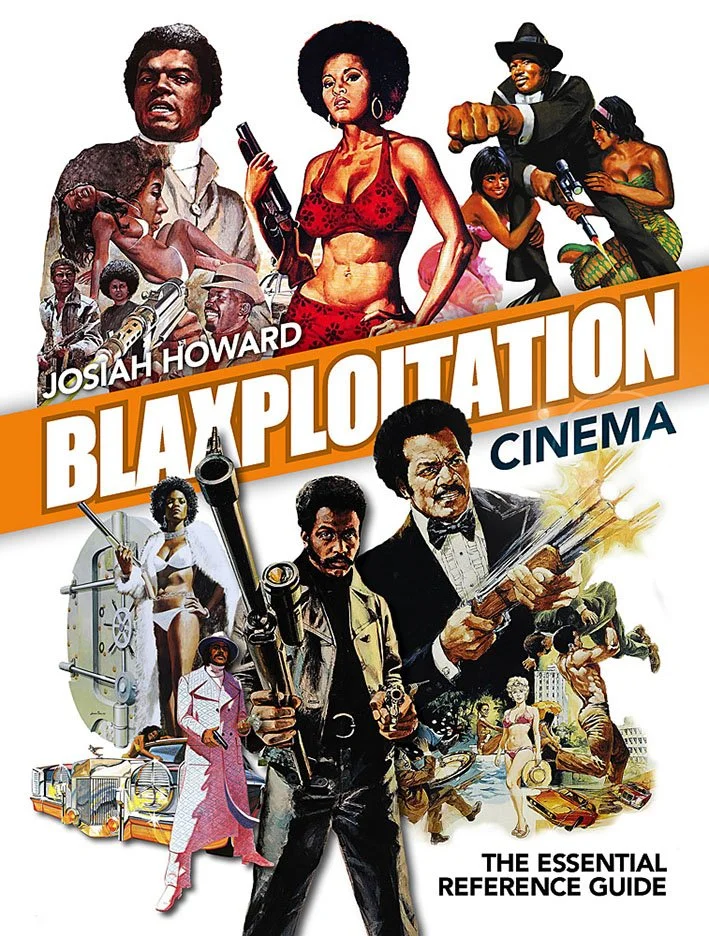
One of the most compelling case studies to emerge from this project was an analysis of the Blaxploitation era of the 1970s. Before this era, early Hollywood often established racist stereotypes to comfort white audiences and maintain power. Blaxploitation, however, marked a historically important shift by putting Black characters forward in mainstream movies.
By analyzing the visual form of promotional posters from this era, the impact becomes clear. The imagery frequently positioned men in suits and jackets, presenting fists or firearms, which projected power, strength, and confidence. While the era had its flaws, such as frequently placing women in suggestive outfits, it fundamentally challenged existing racial issues by presenting independent, sexually confident Black leads. The commercial success of films like Shaft proved that Black-led films that did not fit into traditional Hollywood stereotypes could thrive.
Ultimately, this classroom investigation reinforces a core truth that drives my own studio practice: whoever controls the camera controls the narrative. When we provide marginalized communities with the opportunity to observe and include authentic representation, it is not just helpful; it is a catalyst for success. Whether I am guiding students through media literacy or photographing a commissioned portrait here in Durham, the mission remains the same: to document the dignity, complexity, and agency of the human subject.